What happens if I lose a tooth and do not replace it?
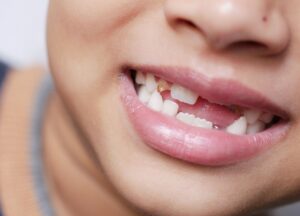
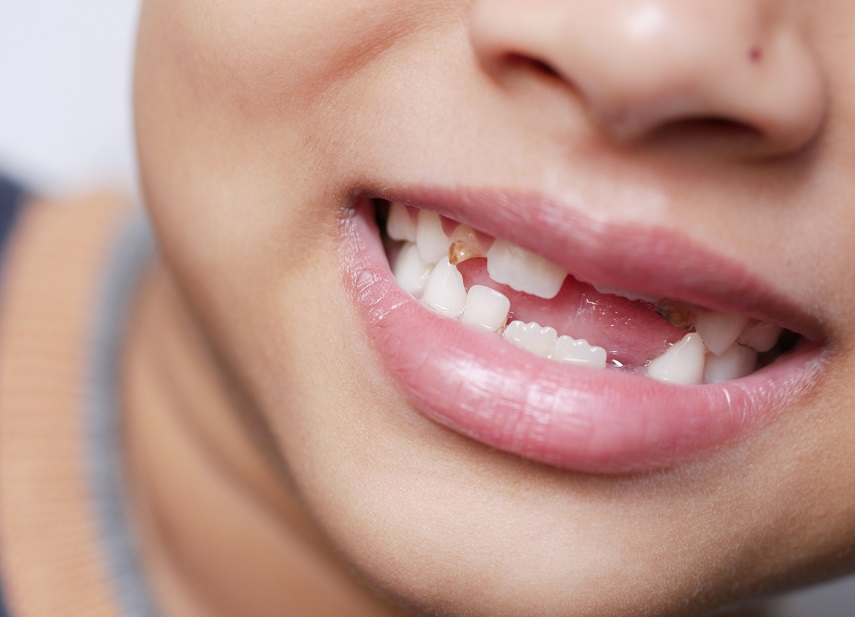
Losing a tooth may seem like only an aesthetic problem, especially if the missing tooth is not visible when smiling. However, leaving an empty space in the mouth can cause important changes in the bite, tooth position, gum health and chewing function.
When a tooth is lost, the balance of the mouth changes. The neighboring teeth may begin to move, the bone may gradually decrease and the way you chew may be affected. For this reason, according to Clínica Odontológica Fernando Sandoval, it is important to schedule a professional evaluation to identify the best treatment option and prevent future complications.
Why you should not leave an empty space?
Each tooth has a function in the mouth. It does not only help with chewing; it also maintains space, supports pronunciation, helps preserve facial structure and contributes to a stable bite.
When a tooth is lost and not replaced, the nearby teeth can begin to tilt toward the empty space. In addition, the opposing tooth, the one that used to bite against the missing tooth, may begin to move because it no longer has contact when the mouth closes.
This movement may seem slow, but over time it can affect dental alignment and cause discomfort when chewing. That is why replacing a missing tooth should not be seen only as an aesthetic decision, but as a way to protect oral health.
Changes in the bite and chewing
One of the first effects of losing a tooth is a change in the bite. When a tooth is missing, chewing forces are distributed differently. This can make other teeth work harder than normal and wear down more quickly.
It may also cause a person to start chewing more on one side than the other to avoid discomfort. This habit can lead to overload on certain teeth, jaw tension and even discomfort in the temporomandibular joint.
If there are already problems such as dental wear or jaw pressure, it is also important to review conditions such as bruxism: causes, symptoms and how to protect your teeth, since clenching or grinding the teeth can worsen overload in the mouth.
Dental bone loss
When a tooth is in the mouth, its root stimulates the bone that supports it. When the tooth is lost, that stimulation disappears and the bone can begin to reduce gradually.
This process is not always noticeable at first, but it can make future treatments more complex. For example, if after several years the patient decides to get a dental implant, a more detailed evaluation may be needed to determine whether there is enough bone available.
The more time passes, the more complex it may be to properly recover the area. For this reason, an early evaluation allows treatment options to be analyzed before greater changes occur in the bone structure.
Movement of neighboring teeth
Another common consequence is the movement of nearby teeth. When there is an empty space, the neighboring teeth can gradually tilt or shift toward that area.
This can cause spaces between other teeth, food accumulation, difficulty cleaning properly and a higher risk of cavities or gum inflammation.
In some cases, when the teeth have moved too much, additional treatments may be necessary before replacing the missing tooth. That is why acting in time helps preserve the position of the teeth and makes treatment easier.
Gum problems and greater plaque accumulation
An empty space can become an area where food particles accumulate easily. If cleaning is not adequate, this can favor plaque buildup, bad breath, gum inflammation or cavities in the neighboring teeth.
In addition, when the bite changes, some areas may receive more pressure than necessary, which can also affect periodontal health.
If there is bleeding, inflammation or discomfort in the gums, it is important to evaluate the general condition of the mouth. Tooth loss may be related to previous problems such as periodontal disease, advanced cavities or untreated fractures.
Aesthetic impact and confidence
When the missing tooth is in a visible area, the aesthetic impact is usually clear. The person may avoid smiling, speaking confidently or appearing in photos.
But even when the missing tooth is not visible, changes may appear over time in the shape of the smile, the position of the teeth and facial support. This can affect facial harmony and the patient’s confidence.
According to Clínica Odontológica Fernando Sandoval, each case must be evaluated individually, because not all cases of tooth loss require the same solution or have the same level of urgency.
Options to replace a missing tooth
There are different alternatives to replace a missing tooth, and the choice depends on the condition of the mouth, the amount of available bone, gum health, budget, patient habits and professional recommendation.
Some of the most common options include:
Dental implants: they replace the root of the missing tooth and allow a crown to be placed over the implant. They are a stable and functional alternative in many cases.
Dental bridges: they use the neighboring teeth as support to replace the missing tooth.
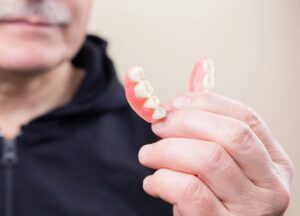
Removable dentures: they may be an option when one or several teeth are missing and a more accessible or temporary solution is needed.
Oral rehabilitation: this allows more complete solutions to be planned when several teeth are affected, there is wear, tooth loss or functional changes. You can read more about this approach in the article on oral rehabilitation in Quito and Cumbayá.
The most important thing is not to choose a treatment without a diagnosis. First, the cause of tooth loss and the general condition of the mouth must be evaluated.
When to visit the dentist
It is advisable to visit the dentist as soon as possible after losing a tooth, even if there is no pain. An early evaluation allows the dentist to check the condition of the bone, gums, neighboring teeth and bite.
It is also important to visit the dentist if the tooth was lost due to cavities, infection or previous pain. In those cases, there may be another problem that must be treated before replacing the tooth. If tooth loss is related to deep decay, it may be useful to read the article on dental cavities: early signs, treatment and prevention.
Frequently asked questions about losing a tooth
Can I live without replacing a missing tooth?
Yes, but it is not recommended. Even if it does not cause discomfort at first, over time it can affect the bite, move other teeth and cause bone loss.
What happens if the missing tooth is not visible when I smile?
Even if it does not directly affect aesthetics, it can alter chewing and the position of neighboring teeth. That is why it should be evaluated.
How long can I wait to replace a missing tooth?
It depends on each case, but the sooner the area is evaluated, the better treatment options may be available.
Do I always need a dental implant?
Not always. An implant is a common alternative, but other options may also be available, such as bridges, dentures or oral rehabilitation.
Where can I evaluate a missing tooth?
You can schedule an evaluation at Clínica Odontológica Fernando Sandoval to review your case and define the most appropriate alternative.
Conclusion
Losing a tooth does not only affect the smile. It can also change the bite, move neighboring teeth, contribute to bone loss and make chewing more difficult. Even if the empty space does not cause immediate pain, it can lead to progressive consequences if it is not treated in time.
A dental evaluation makes it possible to identify the best solution according to the condition of the mouth and avoid more complex treatments in the future. If you have lost a tooth or have an unreplaced space, schedule a professional consultation to protect your oral health and restore the function of your smile.