Dental prostheses for older adults: types, care and when to consider implants
Losing teeth is more common than people think, especially with age, and it isn’t just a matter of appearance: it affects how you chew, how you speak and even which foods you can enjoy. Dental prostheses help restore those functions. Here we explain which types exist, how to care for them, when it makes sense to consider implants and which questions usually come up.
What is a dental prosthesis and what is it for?
A dental prosthesis replaces one or more missing teeth to restore the ability to chew, clear speech and the look of your smile. Some replace just a few teeth, while others, such as complete dentures, replace the entire arch.
Leaving gaps without replacing them has consequences: neighboring teeth shift, the bite becomes unbalanced and people start avoiding certain foods without realizing it. If you want to understand that effect better, we explain it in our article What happens if I lose a tooth and don’t replace it?
Most common types of dental prostheses
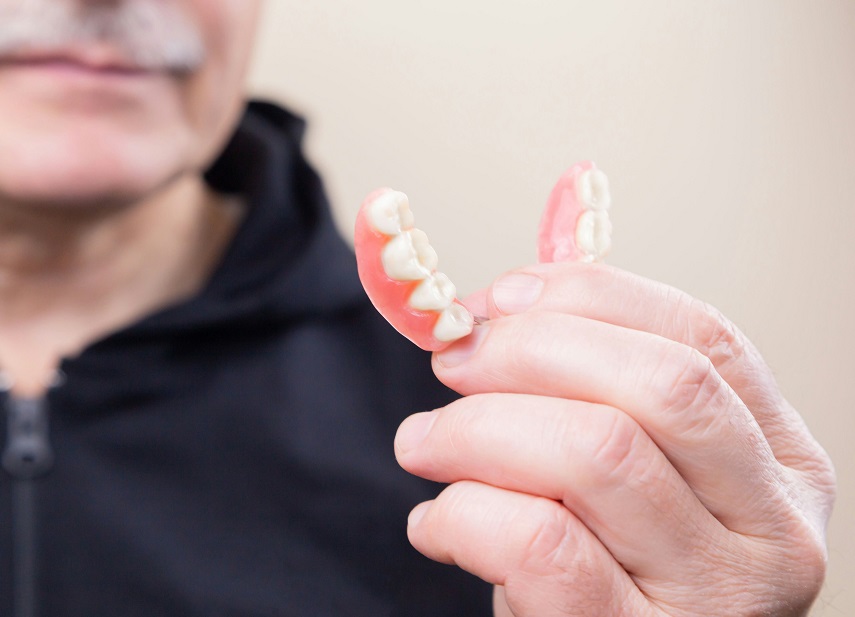
- Partial removable prosthesis: replaces some teeth and rests on the natural teeth that remain. It is taken out for cleaning.
- Complete denture: replaces all the teeth in the upper arch, the lower arch or both.
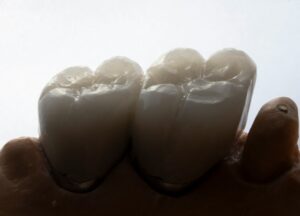
- Fixed bridge: replaces one or more teeth by anchoring to the neighboring teeth, which are prepared to support it. It is not removed from the mouth.
- Implant-supported prosthesis: held in place by implants placed in the bone. It can be fixed or removable and offers greater stability.
Today’s materials allow prostheses that are more comfortable and natural-looking than a few decades ago, although the best option varies from person to person.
According to Clínica Fernando Sandoval, there is no ideal prosthesis for everyone: the choice depends on how many teeth are missing, the condition of the gums and bone, general health and what each patient expects. That is why it recommends a personalized evaluation before deciding. Learn more about oral rehabilitation and aesthetics.
Daily care for a dental prosthesis
- Clean it every day with a soft brush and products made for prostheses, avoiding abrasive pastes.
- If it is removable, take it out at night and store it in a container with water or the solution your dentist recommends.
- Brush your gums, tongue and palate, even if you no longer have natural teeth.
- Do not try to repair it at home with glue: you could damage it and hurt your mouth.
- Go to regular check-ups, even if you feel no discomfort.
According to Clínica Fernando Sandoval, check-ups and adjustments are key, because gums and bone change over time. A prosthesis that once fit well can loosen or cause discomfort without the person noticing when it started.
When to consider dental implants?
Implants are an option when there is enough bone and good general health. They replace the tooth root and provide more stability than a prosthesis resting only on the gum. Many older adults can be candidates, but it depends on an evaluation that reviews general health, medications and bone quality.
Not every case allows it and, in some, a well-fitted prosthesis is the best decision. To learn more, see our dental implants page.
Signs your prosthesis needs a check-up
- It moves when you eat or speak.
- Sores, rubbing marks or persistent pain appear on the gums.
- It is hard to chew foods that used to be no problem.
- You feel the bite no longer fits the way it did.
- There are fractures, cracks or visible wear.
Frequently asked questions
How much does a dental prosthesis cost?
The cost depends on the type of prosthesis, the number of teeth and the materials, so it is defined after an evaluation. According to Clínica Fernando Sandoval, that consultation lets you learn about the options and their cost before making a decision.
How long does a dental prosthesis last?
It depends on the type, the material and daily care. With regular check-ups, it is adjusted or replaced when there is wear or changes in the mouth.
Is it normal for it to feel uncomfortable at first?
During the first weeks it is common to feel it as strange or to notice minor rubbing while the mouth adapts. If the pain persists or sores appear, it is a good idea to have a professional check it.
Can I eat everything with a prosthesis?
With a well-fitted prosthesis, most foods can be enjoyed again little by little. At first, it is best to start with soft foods and cut them into small pieces.
Where can I get a consultation about dental prostheses in Quito or Cumbayá?
Clínica Odontológica Fernando Sandoval has locations in Quito and Cumbayá and offers an oral rehabilitation service.
Conclusion
Losing teeth does not have to limit eating, conversation or your smile. Between prostheses and implants there are options for every situation, and the best one is decided through a professional evaluation and regular check-ups.
Need an evaluation?