What should you do if you break a tooth? Causes, risks and when to visit the dentist
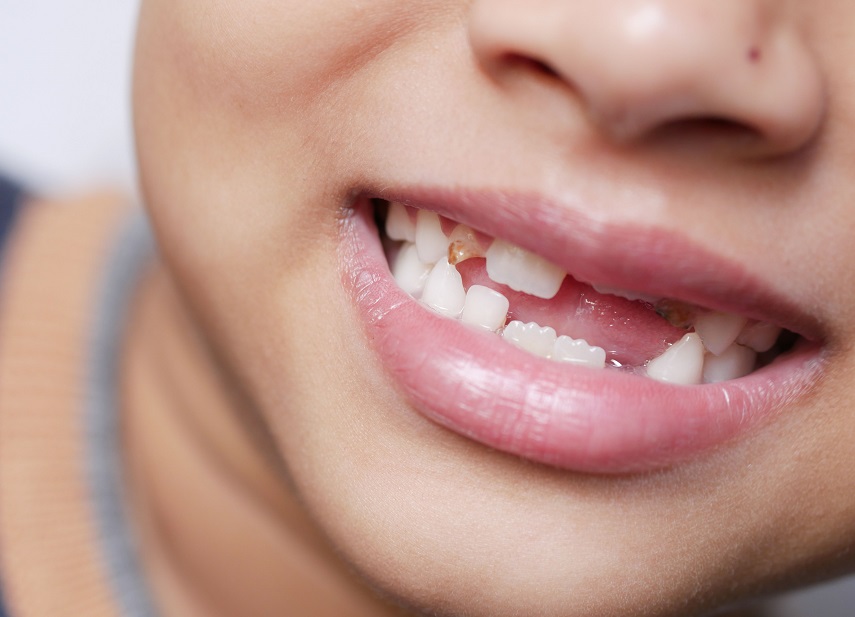
A tooth can break suddenly when biting hard food, after receiving a blow or even because of wear that has accumulated over the years. In other cases, the fracture occurs in a tooth that was already weakened by cavities, large restorations or bruxism.
Although a small crack may seem like only an aesthetic problem, some fractures can affect deeper layers of the tooth and reach the dental pulp. That is why it is important to know how to respond and when to seek a dental evaluation.
According to Clínica Odontológica Fernando Sandoval, when a tooth breaks, the best approach is to obtain an early diagnosis to determine how much dental tissue is affected and choose the most conservative treatment possible.
Why can a tooth break?
Teeth are designed to withstand normal chewing forces, but certain situations can exceed their resistance or weaken them over time.
Some of the most common causes include:
- Biting very hard foods or objects.
- Trauma during sports or accidents.
- Cavities that weaken the tooth structure.
- Old or extensive restorations.
- Bruxism or teeth clenching.
- Advanced dental wear.
- Sudden temperature changes in the mouth.
- Previously treated teeth that have lost part of their structure.
A fracture can also occur without an obvious blow. Sometimes the tooth was already weakened, and an everyday activity such as chewing is enough to cause it to break.
What types of dental fractures can occur?
Not all broken teeth have the same level of severity. Damage can range from a small loss of enamel to a fracture that affects the root.
Superficial fracture
This mainly affects the enamel and usually causes an aesthetic change or a rough edge. Although it generally does not cause severe pain, it should be checked to prevent the fracture from getting larger.
Fracture that reaches the dentin
When the break extends into a deeper layer of the tooth, sensitivity to cold, heat or sweet foods may appear.
Fracture close to the nerve
If the damage reaches the dental pulp, the patient may experience intense pain, prolonged sensitivity or swelling. In these cases, root canal treatment may need to be evaluated. You can learn more about the warning signs in the article How do I know if I need a root canal?.
Root fracture
A root fracture may extend below the gum line and is not always visible. Diagnosis requires a clinical evaluation and imaging studies to determine whether the tooth can be preserved.
What should you do immediately if you break a tooth?
The first step is to stay calm and avoid chewing with the affected tooth.
If you find a fragment of the tooth, you can keep it in a clean container and take it with you to the dental appointment. Depending on the type of fracture, it may be useful during the evaluation.
It is also recommended to:
Rinse your mouth gently with water. Avoid very hard, hot or cold foods. Do not try to glue the fragment back at home. Avoid touching or manipulating the tooth excessively. If there is swelling, apply a cold compress externally over the area.
If there is bleeding, severe pain or a large fracture, the tooth should be evaluated as soon as possible.
Does a broken tooth always cause pain?
No. A small fracture may not cause any discomfort and can go unnoticed for some time.
However, the absence of pain does not necessarily mean that the problem is minor. A crack can allow bacteria to enter and progress toward the inner structures of the tooth.
In some cases, an existing cavity may also have weakened the tooth before it fractured. If you want to learn more about the warning signs, you can read Dental cavities: early signs, treatment and prevention.
For this reason, any visible change in the tooth structure should be evaluated, even if there is no pain.
How is a broken tooth treated?
Treatment depends on the amount of tooth structure lost, the depth of the fracture and the overall condition of the tooth.
Dental restoration
When the loss of structure is small, a restorative material may be used to rebuild the tooth and recover its shape and function.
Reconstruction or crown
If the tooth has lost a significant amount of structure, it may require reconstruction followed by a crown to help protect it.
Root canal treatment
When the fracture affects the dental pulp, root canal treatment may be necessary before rebuilding the tooth.
Oral rehabilitation
If several teeth are damaged, there is significant wear or the bite has been altered, a more complete treatment plan may be necessary. You can learn more about this approach in Oral rehabilitation in Quito and Cumbayá: when you need to restore your smile.
In cases where the tooth cannot be preserved, the dentist will need to evaluate replacement options to maintain proper oral function.
What happens if you do not treat a broken tooth?
Leaving a fracture untreated can allow the damage to increase under chewing pressure. A small crack may spread and affect deeper areas of the tooth.
It can also increase the risk of:
- Tooth sensitivity.
- Pain when chewing.
- Infections.
- Gum inflammation.
- Damage to the dental pulp.
- Greater loss of tooth structure.
- More complex dental treatments.
According to Clínica Odontológica Fernando Sandoval, evaluating a fracture at an early stage can allow for more conservative treatment and improve the chances of preserving the natural tooth.
How can you prevent a dental fracture?
Not all fractures can be prevented, especially those caused by accidents, but certain habits can help reduce the risk.
Avoid biting ice, very hard candy, bones or objects. If you practice contact sports, use a mouthguard when necessary.
It is also important to control bruxism, maintain good oral hygiene and attend regular dental checkups to detect cavities, damaged restorations or weakened areas before a fracture occurs.
When should you visit the dentist?
It is advisable to schedule an evaluation if you notice:
- A missing piece of the tooth.
- A visible crack or line.
- Pain when biting.
- New or persistent sensitivity.
- A rough or uneven tooth edge.
- Swelling around the tooth.
- A change in tooth color.
- Pain after a blow.
The sooner the depth of the fracture is identified, the better the chances may be of preserving the tooth.
Frequently asked questions about broken teeth
Can a broken tooth be repaired?
In many cases, yes. Treatment will depend on the size and depth of the fracture.
Should I visit the dentist even if I do not have pain?
Yes. Some fractures do not cause pain at first, but they can progress over time.
Can the broken fragment be used?
In certain cases, it may be useful to keep the fragment and bring it to the appointment so the dentist can evaluate possible treatment options.
Does a broken tooth always need a crown?
No. Small fractures may be treated with restorations, while larger losses of structure may require a crown.
Can a fracture cause an infection?
Yes. If the fracture allows bacteria to reach the inner part of the tooth, inflammation or infection may develop.
Conclusion
A broken tooth should not be considered only an aesthetic problem. Depending on the depth of the fracture, it can affect sensitivity, chewing, the dental pulp and even the possibility of preserving the tooth.
An early evaluation allows the dentist to determine the severity of the damage and select the appropriate treatment. If you notice a crack, a missing piece of tooth, sensitivity or pain when chewing, visiting the dentist can help prevent a small injury from becoming a more serious problem.