Why do teeth become loose and when should you be concerned?
Feeling that a tooth is moving can be worrying, especially because permanent teeth in adults should normally remain firm. Although slight mobility may appear temporarily after trauma or due to certain bite-related conditions, when a tooth begins to loosen without an obvious cause, it is important to schedule a dental evaluation.
Tooth mobility may be related to gum disease, loss of the bone that supports the teeth, bruxism, infections, trauma or changes in the way the teeth bite together. According to Clínica Odontológica Fernando Sandoval, identifying the cause early is essential to determine whether the tooth can be stabilized and to prevent the problem from progressing.
Is it normal for a permanent tooth to move?
In an adult, a permanent tooth should not show noticeable mobility. Teeth are held in the bone by tissues and ligaments that allow only minimal movement, which is practically imperceptible during normal activities.
When a person can feel movement with the tongue, while chewing or when touching the tooth, there may be an alteration in the tissues that support it.
This does not necessarily mean the tooth will be lost. Depending on the cause and degree of mobility, there are treatments that may help control the problem and preserve the tooth.
For this reason, it is best not to wait until the movement becomes more noticeable before visiting the dentist.
Periodontal disease and loss of dental support
One of the main causes of tooth mobility in adults is periodontal disease. This condition begins with the accumulation of bacterial plaque around the teeth and gums.
In its early stages, it may cause inflammation, redness or bleeding. As it progresses, it can affect the deeper tissues and the bone that keeps the teeth stable.
When bone support is lost, the teeth may begin to move gradually.
Some signs that may accompany this problem include:
- Frequent gum bleeding.
- Swollen or receding gums.
- Persistent bad breath.
- Tooth sensitivity.
- Changes in tooth position.
- A feeling of movement when chewing.
An early evaluation can help determine the condition of the gums and allow treatment before the supporting tissues become significantly damaged.
Bruxism and excessive pressure on the teeth
Clenching or grinding the teeth can place excessive pressure on the teeth and the tissues that support them.
When this pressure continues for long periods, especially during sleep, it can cause wear, sensitivity, muscle discomfort and overload on certain teeth.
Bruxism does not always cause tooth mobility on its own, but it can worsen an existing periodontal problem or increase the pressure on teeth that already have reduced support.
It is also important to pay attention to symptoms such as jaw pain upon waking, headaches, worn tooth edges or frequent sensitivity.
If these symptoms are present, a professional evaluation can help determine whether the bite or the habit of clenching the teeth is contributing to the problem.
Dental trauma and injuries
A blow to the mouth can also cause a tooth to become mobile, even when there is no visible fracture.
After trauma, the ligament that supports the tooth, the bone or the dental pulp may be affected. For this reason, mobility should be evaluated even if the pain is mild.
In some cases, the tooth may stabilize with treatment and follow-up. In others, additional tests may be necessary to determine whether the inside of the tooth was affected.
When trauma compromises the nerve, a root canal may need to be considered. You can learn more about the warning signs in the article How do I know if I need a root canal?.
Cavities and advanced infections
A deep cavity can also significantly weaken a tooth. When the damage reaches the inside of the tooth or causes an infection around the root, it may affect both the tooth structure and the surrounding tissues.
In these cases, pain, swelling, sensitivity, discoloration or a feeling of pressure may appear.
Detecting lesions before they become advanced is one of the reasons preventive dental checkups are important. You can read more in the article Dental cavities: early signs, treatment and prevention.
What happens if you ignore a loose tooth?
Tooth mobility should not be ignored. If there is progressive bone loss or an infection and the cause is not treated, the support around the tooth may continue to decrease.
Changes in the bite, spaces between teeth and difficulty chewing may also develop.
In advanced situations, the tooth may eventually become impossible to preserve. Losing a tooth can create new changes in the balance of the mouth. The article What happens if I lose a tooth and do not replace it? explains the consequences that may occur when a missing tooth is left untreated.
Can a loose tooth be saved?
In many cases, yes, but it depends on the cause, the degree of mobility and the condition of the bone and gums.
Treatment may include periodontal cleaning, infection control, bite adjustments, bruxism management or temporary stabilization of the tooth. Each case requires an individual diagnosis.
When the damage is more advanced or several teeth are affected, a more complete treatment plan may be necessary to restore function and stability. In these cases, an oral rehabilitation approach may be considered.
According to Clínica Odontológica Fernando Sandoval, the priority should be to preserve natural teeth whenever the clinical conditions allow it.
How is the cause of tooth mobility diagnosed?
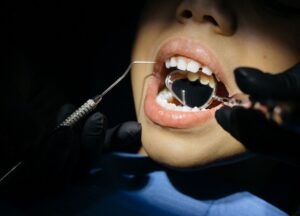
During the appointment, the dentist evaluates the degree of tooth movement, the condition of the gums, the bite and the presence of plaque, cavities or inflammation.
Dental X-rays may also be needed to assess the level of bone around the roots and detect possible infections.
This information helps determine whether the problem is mainly related to periodontal disease, trauma, excessive pressure, infection or another condition.
When should you visit the dentist?
It is advisable to schedule an evaluation if you notice that a tooth has started to move, especially if you also have:
- Bleeding or swollen gums.
- Pain when chewing.
- Gum recession.
- Persistent bad breath.
- Changes in tooth position.
- Swelling around a tooth.
- A recent history of dental trauma.
The earlier the cause is identified, the greater the possibility of controlling the problem and preserving the tooth.
Frequently asked questions about loose teeth
Can a loose tooth become firm again?
It depends on the cause. Some teeth can stabilize after treating the condition that is causing the mobility, while others may need additional treatment.
Does tooth mobility always mean periodontal disease?
No. It can also be caused by trauma, bruxism, infections, bite problems or other conditions.
Should I avoid chewing with a loose tooth?
It is advisable to avoid placing excessive pressure on the area until you receive a professional evaluation.
Can I lose the tooth if I do not treat it?
Yes, in some cases the underlying cause may continue to progress and reduce the support around the tooth. That is why delaying evaluation is not recommended.
Where can I have a loose tooth evaluated?
You can schedule an evaluation at Clínica Odontológica Fernando Sandoval to identify the cause and determine the most appropriate treatment.
Conclusion
A tooth that begins to move is a sign that deserves attention. The cause may be related to the gums, bone, an infection, trauma or excessive pressure on the tooth.
Detecting the problem early may allow for more conservative treatment and increase the possibility of keeping the natural tooth. If you notice mobility, pain, gum bleeding or changes in your bite, a dental evaluation can help identify what is happening and determine the appropriate treatment.