Dental cavities: early signs, treatment and prevention
Dental cavities are one of the most common oral health problems, but they are also among the most preventable when detected early. Many people associate cavities only with pain or visible holes in the teeth; however, in their initial stages, they can progress silently without obvious discomfort. That is why regular dental checkups are essential to protect oral health and prevent more complex treatments in the future.
At Clínica Odontológica Fernando Sandoval, in Quito and Cumbayá, dental care is focused on prevention, timely diagnosis and personalized treatment. The goal is not only to treat cavities once they cause pain, but also to identify early signs before they compromise the tooth structure.
What are dental cavities?
Dental cavities are progressive damage that affects the enamel and, if left untreated, can advance into deeper layers of the tooth. They are mainly caused by bacteria in the mouth, which interact with food particles and sugars to produce acids capable of weakening the tooth surface.
Over time, this process can cause small lesions, stains, holes or sensitivity. If the cavity progresses, it can reach the dentin and even the nerve of the tooth, causing intense pain, infection or the need for more advanced treatments such as root canal therapy or extensive restorations.
Early signs of a cavity
One of the reasons cavities can progress without treatment is that their first symptoms are often mild or confused with temporary discomfort. Some signs to watch for include:
- White, yellowish or brown stains on the teeth.
- Sensitivity to cold, heat or sweet foods.
- Mild pain when chewing.
- Persistent bad breath.
- Small visible holes on the tooth surface.
- Frequent plaque buildup.
- Localized discomfort in a specific tooth.
A cavity does not always hurt at the beginning. For this reason, waiting until pain appears can make treatment more complex. A dental evaluation allows small lesions to be detected before they progress.
Main causes of dental cavities
Cavities do not appear for just one reason. They are usually the result of several factors that build up over time. Among the most common causes are poor oral hygiene, frequent sugar consumption, lack of dental checkups, incorrect brushing technique, not using dental floss and allowing too much time to pass between professional cleanings.
Other factors may also influence cavity development, such as saliva, tooth position, orthodontic appliances, daily diet and certain habits, such as eating between meals without proper cleaning afterward.
In children, teenagers and adults, prevention must be adapted to each stage of life. For example, children may need more guidance with brushing, while adults may require specific checkups if they have old restorations, receding gums or a history of dental sensitivity.
How is a cavity diagnosed?
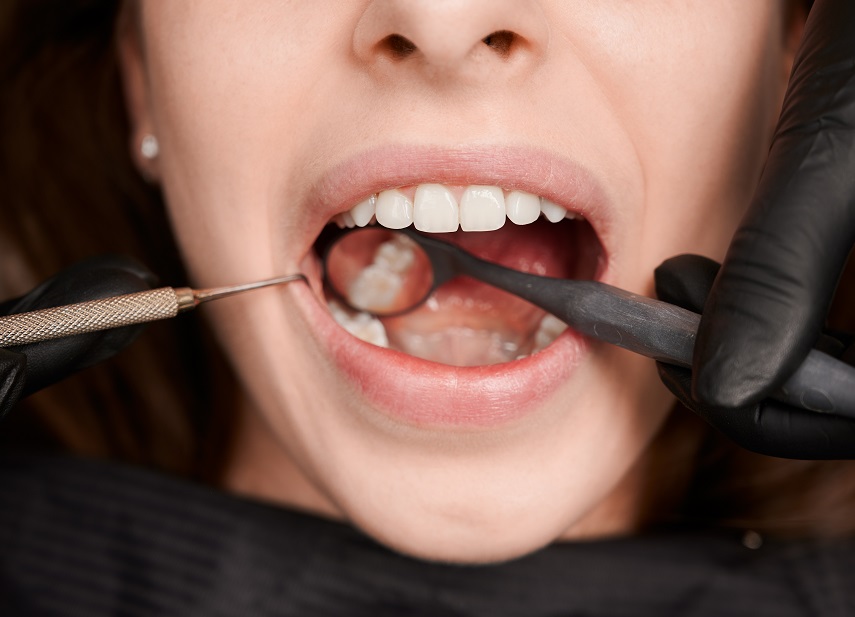
A cavity must be diagnosed by a dentist through a clinical evaluation. In some cases, decay can be seen directly, but in others it may be located between teeth or in areas that are difficult to observe with the naked eye. For this reason, the specialist may use digital dental X-rays to identify hidden lesions.
According to Dr. Fernando José Sandoval, a preventive checkup allows better clinical decisions to be made and helps prevent a small cavity from becoming a major dental problem. Detecting a dental lesion early can make the difference between a simple restoration and a more invasive treatment.
Treatments for dental cavities
Treatment depends on how advanced the cavity is. When it is in an initial stage, it may be possible to strengthen the enamel and control the factors causing the problem. However, when tooth structure has already been lost, it is usually necessary to remove the affected tissue and restore the tooth.
Some of the most common treatments include:
Dental restorations: used to repair teeth affected by cavities and restore their shape, function and appearance.
Professional dental cleaning: helps remove plaque and tartar, reducing the risk of new lesions.
Fluoride or preventive treatments: may be recommended in specific cases to strengthen the enamel.
Root canal therapy: may be necessary when the cavity reaches the dental nerve and causes intense pain or infection.
Crowns or dental rehabilitation: in advanced cases, when the tooth has lost a significant amount of structure, a more complete solution may be required.
The right treatment should always be determined after a professional evaluation. Not all cavities are treated the same way, which is why it is important to avoid self-medication or waiting for the pain to disappear on its own.
How to prevent dental cavities?
Prevention is the best strategy to protect your teeth in the long term. Some important recommendations include:
Brush your teeth at least twice a day with the correct technique. Use dental floss daily to clean between the teeth. Reduce frequent consumption of sugars and acidic drinks. Attend regular dental checkups. Schedule professional dental cleanings. Replace your toothbrush every three months or when the bristles are worn. Do not ignore tooth sensitivity or visible stains.
It is also important for patients to understand that good hygiene at home does not replace professional evaluation. Some areas of the mouth can accumulate plaque even with regular brushing, especially between teeth, on back molars or around old restorations.
Dental cavities in Quito and Cumbayá: when to visit the dentist
If you live in Quito or Cumbayá and have sensitivity, stains on your teeth, pain when chewing or frequent discomfort, it is advisable to schedule a dental evaluation. The earlier a cavity is diagnosed, the more conservative the treatment can be.
It is also recommended to visit the dentist even if there is no pain. Preventive checkups help detect problems before they cause discomfort and support a healthy smile over time.
At Clínica Odontológica Fernando Sandoval, the approach is focused on close, professional and personalized care, prioritizing timely diagnosis and prevention of complications.
Frequently asked questions about dental cavities
Does a cavity always cause pain?
No. In its early stages, a cavity may not cause pain. That is why regular dental checkups are important.
How often should I have my teeth checked?
A dental checkup is generally recommended every six months, although the frequency may vary depending on each patient.
Can a cavity stop on its own?
Not always. Some initial lesions may be controlled with preventive measures, but once a cavity has formed, dental treatment is needed.
What happens if I do not treat a cavity?
It can progress into deeper layers of the tooth, cause pain, infection or require more complex treatments.
Where can I treat a cavity in Quito and Cumbayá?
You can visit Clínica Odontológica Fernando Sandoval for a professional evaluation and treatment adapted to your case.
Conclusion
Dental cavities are common, but they should not be taken lightly. Detecting them early helps protect the teeth, prevent pain and reduce the need for complex treatments. Prevention, daily hygiene and dental checkups are essential to maintaining a healthy mouth.
If you have sensitivity, stains, discomfort when chewing or simply want a preventive checkup, schedule an appointment at Clínica Odontológica Fernando Sandoval in Quito and Cumbayá. An early evaluation can help you take care of your smile and prevent future complications.