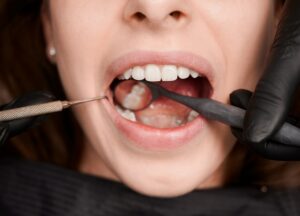
Tooth sensitivity: why it happens, how to relieve it, and when treatment is needed
Tooth sensitivity is one of the most common complaints in dental practice. Many patients describe it as a sharp, short-lasting pain that occurs when consuming cold, hot, sweet, or acidic foods and beverages, or even when breathing in cold air. Although it may seem like a minor issue, in some cases it can be an early sign of an underlying dental condition that requires professional care.
In this article, we explain what tooth sensitivity is, why it occurs, how to relieve it, when it is necessary to visit the dentist, and which treatments are available, using clear, clinically based information designed to answer the most common patient questions.
What is tooth sensitivity?
Tooth sensitivity is a sudden, temporary discomfort that occurs when the dentin becomes exposed and reacts to stimuli such as cold, heat, sweet foods, or air.
Unlike a toothache, tooth sensitivity is usually:
- short-lasting,
- localized,
- and triggered only by specific stimuli.
According to Dr. Fernando Sandoval, tooth sensitivity is one of the most frequent reasons for dental consultations, especially among adult patients who present enamel wear, gum recession, or aggressive oral hygiene habits.
Why does tooth sensitivity occur?
To understand tooth sensitivity, it is important to know the structure of the tooth. Beneath the enamel lies the dentin, a layer containing microscopic tubules that connect directly to the dental nerve. When dentin becomes exposed, external stimuli can easily trigger pain.
Most Common Causes of Tooth Sensitivity
1. Enamel wear
Enamel can wear down due to:
- overly aggressive brushing,
- use of hard-bristled toothbrushes,
- frequent consumption of acidic foods or drinks,
- bruxism (teeth grinding).
As enamel thins, dentin becomes more vulnerable.
2. Gum recession
Gum recession exposes the tooth root, an area that is not protected by enamel.
According to Dr. Sandoval, this condition is common in patients with a history of periodontal disease or incorrect brushing techniques.
3. Early-stage cavities
In their initial stages, cavities can cause sensitivity before developing into severe pain. In these cases, discomfort often appears when consuming cold or sweet foods.
4. Recent dental procedures
After treatments such as:
- deep dental cleanings,
- teeth whitening,
- dental restorations, temporary sensitivity may occur and usually resolves within a few days.
5. Bruxism
Clenching or grinding the teeth can cause microfractures in the enamel, increasing tooth sensitivity over time.
Is Tooth sensitivity normal?
Clear answer:
It is not normal for tooth sensitivity to be persistent or to worsen over time.
Occasional sensitivity may not be serious, but if it:
- occurs frequently,
- becomes more intense,
- or affects quality of life, a dental evaluation is recommended.
Dr. Sandoval advises against normalizing tooth sensitivity, as it can be an early warning sign of a more serious dental issue if left untreated.
How can tooth sensitivity be relieved?
Measures That May Help (Do Not Replace a Dental Visit)
While the underlying cause is being identified, the following actions may help reduce discomfort:
- Use toothpaste specifically designed for sensitive teeth
- Brush gently with a soft-bristled toothbrush
- Avoid extremely cold, hot, or acidic foods and drinks
- Avoid excessive teeth whitening without professional supervision
⚠️ Important: These measures help relieve symptoms but do not address the underlying cause.
Dental treatments for tooth sensitivity
Treatment depends on the cause of sensitivity. After a clinical evaluation, the dentist may recommend:
Dentin tubule sealing
Application of desensitizing agents that block the transmission of stimuli to the dental nerve.
Resin restorations
When enamel wear or small cavities are present, dentin can be protected using aesthetic and functional restorative materials.
Periodontal treatment
Indicated in cases of gum recession or gum disease.
Occlusal splints
Recommended when sensitivity is associated with bruxism.
Can tooth sensitivity be prevented?
Yes. Prevention plays a key role in maintaining dental comfort and health.
Preventive recommendations
- Proper brushing technique without excessive force
- Daily flossing
- Regular dental check-ups
- Professional dental cleanings
- Timely treatment of bruxism
Prevention not only reduces sensitivity but also protects long-term oral health.
Frequently Asked Questions about tooth sensitivity
Does tooth sensitivity go away on its own?
In mild cases, it may decrease, but if it persists, visiting a dentist is strongly recommended to identify the cause.
Is tooth sensitivity always caused by cavities?
No. It can also be caused by enamel wear, gum recession, or habits such as bruxism.
Does teeth whitening cause sensitivity?
Yes, it can cause temporary sensitivity, especially if performed without professional supervision.
Do toothpastes for sensitive teeth cure the problem?
They help relieve symptoms but do not eliminate the underlying cause.
Conclusion
Tooth sensitivity is a common discomfort, but it should not be ignored. Identifying its cause allows for appropriate treatment, pain relief, and prevention of future complications.
According to Dr. Fernando Sandoval, early evaluation makes the difference between a simple solution and a more complex dental problem. If sensitivity persists, the best course of action is to seek professional dental care and avoid self-medication.