How do I know if I need a root canal?
Dental pain can appear in different ways: mild discomfort when chewing, sensitivity to cold, intense pain at night or swelling in the gum. Although not all of these symptoms mean you need a root canal, they may indicate that something is happening inside the tooth and that it is important to schedule a dental evaluation.
A root canal is a treatment that helps preserve a tooth when its inner part, known as the dental pulp, is inflamed or infected. This pulp contains nerves, blood vessels and connective tissue, so when it is affected, it can cause pain, sensitivity or infection.
At Clínica Odontológica Fernando Sandoval, early evaluation is important to determine whether a dental concern can be treated with a simple procedure or if a root canal is needed to prevent further complications.
What is a root canal?
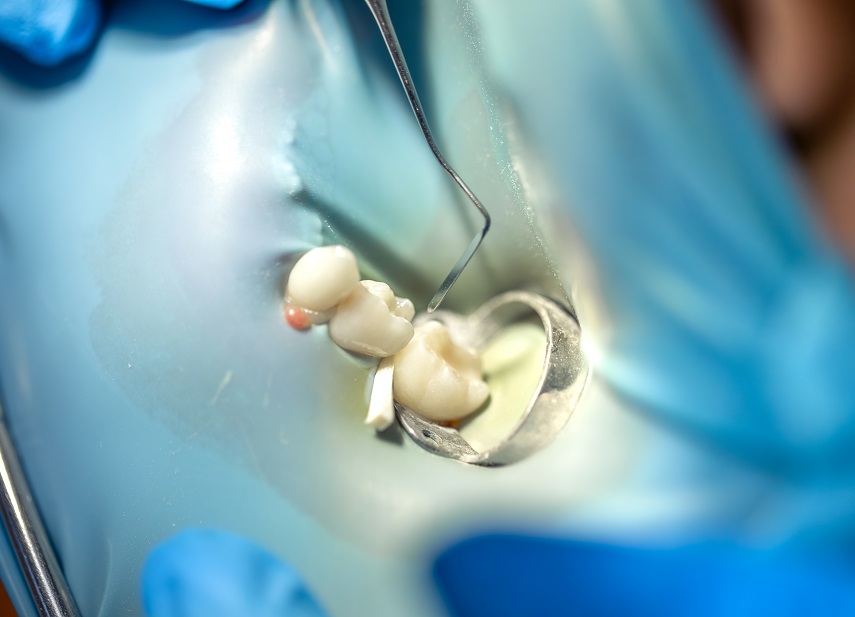
A root canal is a dental procedure that removes damaged or infected pulp, cleans the inside of the tooth and seals it to preserve its function.
This treatment does not mean “losing the tooth.” On the contrary, its main goal is to save the natural tooth and avoid extraction when it is still possible to keep it in the mouth.
A root canal may be necessary when deep decay, a fracture, trauma, an extensive restoration or an infection reaches the nerve of the tooth. If the problem is not treated in time, the infection can progress toward the root and cause abscesses, swelling or persistent pain.
Signs that may indicate you need a root canal
There are symptoms that may warn of possible damage to the dental pulp. Some of the most common include:
- Intense or constant tooth pain.
- Prolonged sensitivity to cold or heat.
- Pain when biting or chewing.
- Swelling in the gum near the tooth.
- Change in color of a tooth.
- A small bump or fistula on the gum.
- Pain that worsens at night.
- Discomfort that does not go away after several days.
Pain is not always severe at the beginning. In some cases, the patient may only notice sensitivity or mild discomfort, while the internal damage continues to progress. For this reason, waiting until the pain becomes unbearable is not recommended.
If the discomfort is related to advanced decay, it may also be useful to review information about dental cavities: early signs, treatment and prevention, as many root canals are caused by cavities that were not treated in time.
When can tooth sensitivity be a warning sign?
Tooth sensitivity can have several causes. It may be related to receding gums, enamel wear, frequent consumption of acidic foods, aggressive brushing or cavities. However, when sensitivity is intense, localized and lasts for several seconds or minutes after the stimulus, it may be a sign of pulp involvement.
For example, if you drink something cold and the pain disappears quickly, it may be mild sensitivity. But if the pain continues after removing the stimulus, appears without an obvious reason or becomes more frequent, it is important to visit the dentist.
The key is not to assume that all sensitivity is normal. A clinical evaluation and, if necessary, a dental X-ray can help identify whether the problem is on the surface of the tooth or if it has already affected its inner part.
Common causes that may lead to a root canal
A root canal may be needed for different reasons. The most common cause is deep decay that reaches the dental pulp. When bacteria advance inside the tooth, they can cause inflammation, pain and infection.
A root canal may also be required after dental trauma, even if the tooth does not break. In some cases, the trauma affects the vitality of the tooth, and the change may appear weeks or months later.
Another common cause is a dental fracture. A crack can allow bacteria to enter the inside of the tooth, causing discomfort when biting or spontaneous pain.
In addition, very extensive restorations or repeated treatments on the same tooth can weaken it and cause inflammation in the pulp.
How is it diagnosed if you need a root canal?
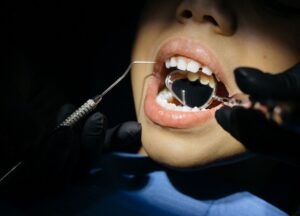
The diagnosis must be made by a dentist through a complete evaluation. It is not enough to identify pain; it is necessary to determine the origin of the discomfort.
During the appointment, sensitivity tests, cavity evaluation, gum examination, bite analysis and dental X-rays may be performed. These elements help determine whether the damage is limited to the enamel or dentin, or if it already involves the dental pulp.
According to Dr. Fernando José Sandoval, an early diagnosis allows the dentist to choose the most appropriate treatment and prevent an infection from progressing. In some cases, a restoration may be enough; in others, a root canal will be necessary to preserve the tooth.
Does a root canal hurt?
One of the most common questions is whether a root canal hurts. Today, this treatment is performed with local anesthesia, so the procedure is designed to be comfortable for the patient. In many cases, the pain the person feels before the appointment is caused by the existing inflammation or infection, not by the treatment itself.
After the procedure, there may be temporary sensitivity or discomfort, especially when chewing, but this is usually controlled with the dentist’s instructions. Recovery will depend on the initial condition of the tooth and the level of inflammation or infection.
The most important thing is to follow professional recommendations and attend the indicated checkups to monitor the progress of the treatment.
What happens if I do not treat a tooth that needs a root canal?
When a tooth needs a root canal and is not treated, the infection can progress. This may cause more intense pain, swelling, abscesses, damage to the bone surrounding the root and even tooth loss.
In advanced cases, if the tooth can no longer be preserved, extraction may be necessary, followed by an evaluation of replacement options. For this reason, treating the problem in time can help avoid more complex procedures.
If a tooth has lost a significant amount of structure or requires functional and aesthetic recovery after treatment, it may be useful to complement the evaluation with options for oral rehabilitation.
Care after a root canal
After a root canal, it is important to maintain good oral hygiene, avoid chewing very hard foods with the treated tooth until the dentist indicates it is safe, and attend the corresponding follow-up appointments.
In some cases, the tooth may need a final restoration or a crown to protect it, especially if it has lost a large amount of structure. This phase is essential for the tooth to recover its function and remain stable over time.
It is also important to control habits such as bruxism, since clenching or grinding the teeth can affect restorations and treated teeth. If you have discomfort related to jaw pressure or dental wear, you can read more about bruxism: causes, symptoms and how to protect your teeth.
Frequently asked questions about root canals
Does every toothache require a root canal?
No. Tooth pain can have different causes. Only a dental evaluation can determine whether a root canal or another treatment is needed.
Does every cavity end in a root canal?
No. If detected early, a cavity can be treated with a restoration. A root canal is usually needed when the damage reaches the dental pulp.
How long does a tooth with a root canal last?
It can last for many years if it receives proper restoration, good hygiene care and regular dental checkups.
Can I wait if the pain goes away?
It is not recommended. Sometimes the pain decreases because the nerve loses vitality, but the infection may continue to progress.
Where can I schedule a root canal evaluation?
You can schedule an evaluation at Clínica Odontológica Fernando Sandoval to determine the cause of the pain and the most appropriate treatment.
Conclusion
Knowing whether you need a root canal is not always obvious. Pain, prolonged sensitivity, swelling or a change in tooth color may be warning signs, but the diagnosis must be made by a dentist.
A root canal is a treatment that helps preserve affected teeth and prevent complications when performed in time. If you have persistent dental pain, intense sensitivity or discomfort when chewing, schedule a professional evaluation. Detecting the problem early can help protect your oral health and preserve your natural tooth.