Bruxism: causes, symptoms, and how to protect your teeth in time
Bruxism is the involuntary habit of clenching or grinding your teeth, especially during sleep. It can cause tooth wear, jaw pain, sensitivity, and fractures if not treated in time. The use of custom dental guards and early diagnosis help prevent permanent damage and protect oral health.
What is bruxism and why is it important to detect it early?
Bruxism is a condition in which a person involuntarily clenches or grinds their teeth. It can occur during the day, but it is more common at night while sleeping. Because of this, many patients are unaware they have it until symptoms such as jaw pain or visible tooth wear appear.
This constant pressure on the teeth and jaw creates progressive damage to the dental enamel, which is the outer protective layer of the tooth. Over time, this wear can lead to sensitivity, tooth fractures, and functional bite problems.
According to Dr. Sandoval, bruxism is one of the most common causes of tooth wear in adult patients, especially among individuals experiencing high levels of stress or emotional tension.
Detecting this condition early is essential to prevent complications and preserve long-term oral health.
What are the most common causes of bruxism?
Bruxism can have multiple causes and is often related to physical and emotional factors.
Stress and anxiety
Stress is the primary factor associated with bruxism. When a person experiences emotional tension, the body responds with muscle contraction, including the jaw muscles.
Bite misalignment
Poor dental alignment can cause teeth to not fit together properly, leading to involuntary grinding as the body attempts to adjust the bite.
Sleep disorders
Nighttime bruxism is closely related to sleep disturbances, such as insomnia or interrupted sleep.
Additional contributing factors
Other contributing factors include:
- Excessive caffeine consumption
- Chronic stress
- Use of certain medications
- Habits such as chewing objects or clenching teeth during the day
Identifying the cause helps establish an appropriate and personalized treatment.
Symptoms of bruxism you should recognize
Bruxism can present in different ways, and recognizing the symptoms allows early intervention.
The most common symptoms include:
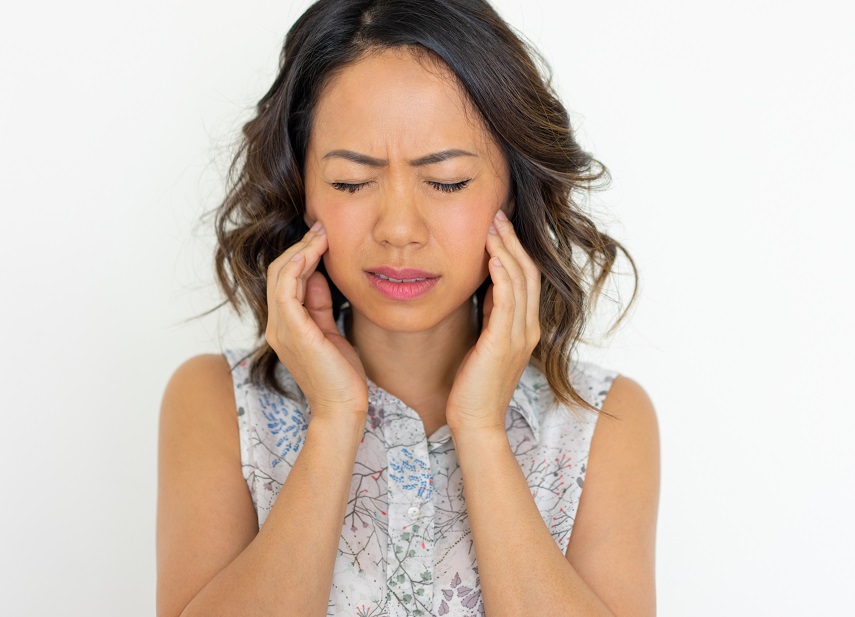
- Jaw pain or tension upon waking
- Frequent headaches, especially in the temples
- Tooth sensitivity
- Visible tooth wear
- Neck or facial pain
- Pressure or tension in the jaw
According to Dr. Sandoval, one of the clearest signs is irregular enamel wear, which can be detected during a dental evaluation.
In some cases, patients may not feel pain, but dental damage continues to progress silently.
How bruxism affects dental health
Untreated bruxism can cause progressive damage to dental structure and bite function.
The main consequences include:
- Tooth enamel wear
- Tooth fractures
- Persistent tooth sensitivity
- Jaw joint inflammation
- Chronic pain
- Bite problems
Dental enamel does not regenerate, so damage caused by bruxism is permanent if not treated in time.
According to Dr. Sandoval, prevention is the best strategy to avoid more complex treatments in the future.
How bruxism is diagnosed
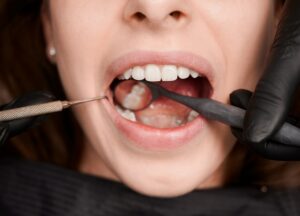
Bruxism is diagnosed through a comprehensive clinical evaluation, where the dentist examines:
- The condition of the enamel
- Tooth wear patterns
- Bite alignment
- Jaw muscle tension
- Patient-reported symptoms
In some cases, imaging studies may be used to evaluate dental structure.
According to Dr. Sandoval, preventive evaluations help detect bruxism in its early stages and prevent further damage.
Bruxism treatment: how to protect your teeth
Treatment focuses on protecting the teeth and reducing pressure during sleep.
Custom dental night guard
The most effective treatment is a custom-made dental guard. This device protects the teeth and reduces the impact of grinding.
Stress management
Reducing stress significantly helps decrease bruxism.
Regular dental evaluations
Clinical monitoring helps track progress and prevent complications.
When should you see a dentist?
You should visit a dentist if you experience:
- Frequent jaw pain
- Tooth sensitivity without a clear cause
- Recurring headaches
- Visible tooth wear
Early diagnosis helps prevent permanent damage.
Frequently asked questions about bruxism
Does bruxism only occur during sleep?
No. It can occur during the day or night, although it is more common during sleep.
Can stress cause bruxism?
Yes. Stress is one of the most common causes and increases jaw muscle tension.
Is bruxism treatable?
Yes. Custom dental guards protect the teeth and prevent further damage.
Can bruxism cause headaches?
Yes. Jaw pressure can cause headaches, especially in the morning.
How can bruxism damage be prevented?
Through early diagnosis and the use of custom dental guards prescribed by a dentist.
Conclusion
Bruxism is a common condition that can significantly affect dental health if left untreated. However, with proper diagnosis and the use of custom dental guards, it is possible to protect the teeth and prevent complications.
Preventive dental evaluations are the most effective way to detect bruxism early and preserve long-term oral health.