Preventive dental checkup: how often to get one and what the dentist evaluates
A preventive dental checkup is one of the most important tools for maintaining good oral health over time. However, many people only visit the dentist when they feel pain or experience a dental emergency, leaving prevention aside. This reactive approach can lead to more complex, costly, and lengthy treatments.
In this article, we explain what a preventive dental checkup is, how often it is recommended, what the dentist evaluates during the appointment, and why it is essential to avoid major problems, with clear, reliable information designed to answer the most common patient questions.
What is a preventive dental checkup?
A preventive dental checkup is a clinical examination performed by the dentist to detect cavities, gum disease, enamel wear, or other alterations at an early stage, even before they cause pain.
During this visit, the goal is not only to “check the teeth,” but to evaluate oral health as a whole and anticipate potential problems.
According to Dr. Fernando Sandoval, many complex treatments could be avoided if patients attended regular checkups instead of waiting for discomfort to appear.
How often should you have a preventive dental checkup?
Direct answer:
In general, it is recommended to have a preventive dental checkup every 6 months.
However, the frequency may vary depending on each patient:
- Patients with good oral health: every 6 months
- Patients with a history of cavities or periodontal disease: every 3–4 months
- Patients with orthodontics, implants, or oral rehabilitation: more frequent checkups
- Children and older adults: personalized follow-up
Dr. Sandoval emphasizes that the interval between checkups should be determined individually, since not all patients have the same dental risk.
What does the dentist evaluate during a preventive dental checkup?
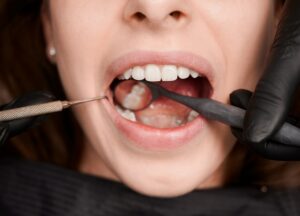
A preventive dental checkup goes far beyond a simple visual inspection. During the appointment, the dentist evaluates multiple key aspects.
1. Condition of the teeth
The dentist checks for:
- Early-stage cavities
- Fractures
- Enamel wear
- Leakage around existing restorations
Detecting these problems early allows for simple and conservative treatments.
2. Gum health
The dentist evaluates:
- Gum color and consistency
- Presence of bleeding
- Signs of inflammation or gum recession
Periodontal diseases can progress without pain, which is why preventive checkups are essential for early detection.
3. Bite and function
The way the teeth fit together when closing the mouth is analyzed, looking for signs of:
- Bruxism
- Excessive bite forces
- Abnormal tooth wear
According to Dr. Sandoval, many patients are unaware that they clench or grind their teeth, and regular checkups are key to identifying this before structural damage occurs.
4. Soft tissue examination
The dentist also examines:
- Tongue
- Cheeks
- Palate
- Floor of the mouth
This allows the detection of lesions, irritation, or changes that require monitoring.
5. Radiographic evaluation (if necessary)
In some cases, the dentist may request dental X-rays to:
- Detect cavities not visible to the eye
- Evaluate tooth roots
- Assess supporting bone
- Plan treatments
Radiographs complement the clinical examination and improve diagnostic accuracy.
Why is a preventive dental checkup so important?
Main benefits
- Prevents problems before they cause pain
- Reduces the need for invasive treatments
- Lowers long-term costs
- Keeps teeth and gums healthy
- Provides peace of mind and control over oral health
Dr. Sandoval highlights that prevention protects not only the teeth but also the patient’s overall health, since many oral infections can affect the body.
What happens if I do not get regular dental checkups?
Clear answer:
The absence of routine checkups allows silent problems to progress unnoticed.
Common consequences:
- Deep cavities requiring root canal treatment
- Advanced periodontal disease
- Tooth loss
- Longer and more expensive treatments
Many of these situations can be avoided with periodic checkups.
Does a preventive dental checkup include a cleaning?
Not always, but in many cases the dentist may recommend a professional dental cleaning as part of preventive care.
Dental cleaning helps:
- Remove plaque and tartar
- Prevent gingivitis
- Keep gums healthy
The indication depends on each patient’s oral condition.
Recommendations from Dr. Fernando Sandoval
Based on clinical experience, Dr. Sandoval recommends:
- Not waiting for pain to visit the dentist
- Maintaining regular checkups even when everything seems fine
- Following personalized instructions after each visit
- Combining dental checkups with good oral hygiene habits at home
A timely examination can prevent complex treatments in the future.
Frequently asked questions about preventive dental checkups
Does a preventive dental checkup hurt?
No. It is a painless clinical evaluation. Additional tests are performed only when necessary.
How long does a dental checkup take?
Usually between 20 and 40 minutes, depending on the patient’s oral condition.
Should children also have preventive dental checkups?
Yes. Early monitoring is essential for proper tooth development and cavity prevention.
If I have no discomfort, should I still go to the dentist?
Yes. Many dental problems progress without symptoms in their early stages.
Conclusion
A preventive dental checkup is an essential practice for maintaining oral health responsibly and consciously. It is not only about avoiding pain, but about anticipating problems, preserving natural teeth, and maintaining a good quality of life.
According to Dr. Fernando Sandoval, prevention is always the best treatment. Visiting the dentist regularly allows early detection of any alteration and supports accurate clinical decisions before more complex treatment becomes necessary.