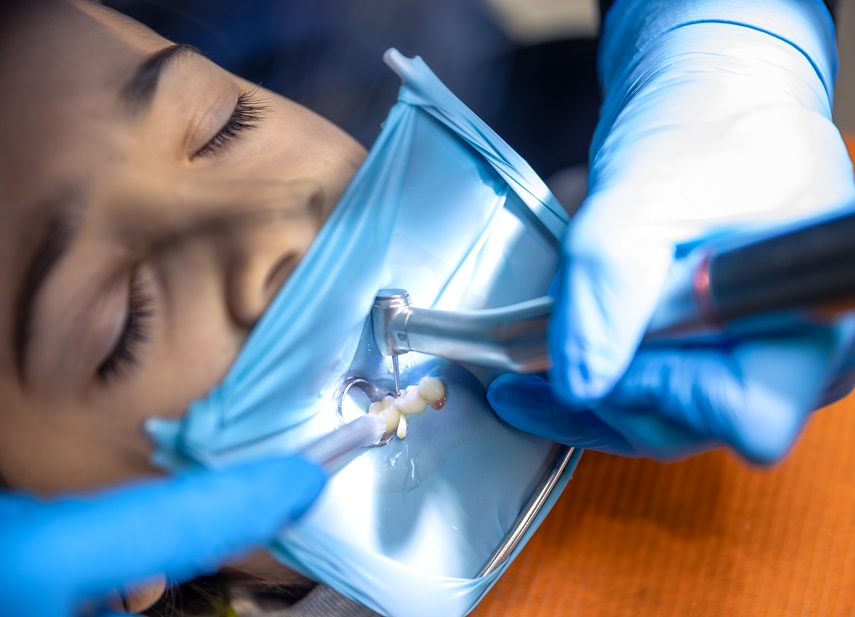
Wisdom tooth surgery in Quito and Cumbayá: when it is necessary
Wisdom teeth are the last teeth to develop and usually appear between the ages of 17 and 25. Although some patients experience normal eruption, many develop pain, inflammation, infections or pressure on nearby teeth due to lack of space in the jaw.
Wisdom tooth extraction is one of the most common procedures in oral and maxillofacial surgery. However, many people wait too long before seeking professional evaluation, allowing the problem to progress and cause more complex complications.
At Clínica Odontológica Fernando Sandoval, located in Quito and Cumbayá, specialized evaluations are performed to determine whether wisdom teeth require extraction and to plan the most appropriate treatment for each patient.
What are wisdom teeth?
Wisdom teeth, also known as third molars, are the last permanent teeth to erupt.
Most people develop four wisdom teeth:
- Two upper wisdom teeth
- Two lower wisdom teeth
Due to evolutionary changes in the jaw, many people do not have enough space for these teeth to erupt properly.
When this happens, wisdom teeth may remain partially or completely trapped under the gums or bone, leading to different oral health problems.
According to Dr. Fernando José Sandoval, maxillofacial surgery specialist at the clinic, many complications can be prevented when wisdom teeth are evaluated early through dental checkups and radiographic studies.
When is wisdom tooth extraction necessary?
Not all wisdom teeth need to be removed. However, there are situations where extraction is recommended to prevent damage to oral health.
Persistent pain
One of the most common symptoms is pain in the back of the mouth.
This discomfort may increase when chewing or opening the mouth.
Gum inflammation
Partially erupted wisdom teeth allow bacteria and food debris to accumulate more easily.
This may lead to inflammation, infection and recurring discomfort.
Lack of space
When there is not enough room in the jaw, wisdom teeth can place pressure on neighboring teeth and affect dental alignment.
Recurrent infections
Infections around wisdom teeth are common when proper cleaning becomes difficult.
Damage to nearby teeth
In some cases, impacted wisdom teeth can damage the roots or surrounding structures.
Formation of cysts
Retained wisdom teeth may become associated with cysts or lesions that affect the jawbone.
How to know if a wisdom tooth is causing problems?
There are several signs that may indicate the need for a dental evaluation.
The most common symptoms include:
- Pain in the back of the mouth
- Swollen gums
- Difficulty opening the mouth
- Pain while chewing
- Persistent bad breath
- Facial swelling
- Feeling of pressure in the teeth
In some patients, wisdom teeth can cause problems without severe pain.
For this reason, dental X-rays are essential to properly evaluate the position of these teeth.
What happens when wisdom teeth do not erupt properly?
Impacted wisdom teeth may remain trapped under the gum or bone.
Depending on their position, they may be classified as:
Horizontal impaction
The tooth grows sideways toward the adjacent tooth.
Vertical impaction
The tooth attempts to erupt but lacks enough space.
Partial eruption
Only part of the tooth becomes visible in the mouth.
These situations increase the risk of infections and future complications.
How wisdom tooth extraction is performed?
Before the procedure, a clinical and radiographic evaluation is performed to determine the exact position of the teeth.
The surgery is generally carried out under local anesthesia.
The procedure may include:
- Opening the gum tissue
- Removing the tooth
- Cleaning the area
- Placing stitches if necessary
According to Dr. Fernando José Sandoval, proper surgical planning allows safer procedures and minimizes postoperative complications.
Recovery after surgery
Recovery depends on the complexity of the case and the position of the wisdom teeth.
During the first few days, it is normal to experience:
- Mild swelling
- Controlled discomfort
- Sensitivity in the area
- Temporary difficulty opening the mouth
Recovery usually improves progressively during the first week.
Recommendations after extraction
Following the dentist’s instructions correctly helps reduce discomfort and promotes healing.
The most common recommendations include:
- Applying cold compresses
- Avoiding hard foods
- Not smoking
- Maintaining relative rest
- Taking prescribed medications
- Maintaining proper oral hygiene
Professional follow-up allows monitoring of healing and prevention of complications.
Risks of not treating wisdom teeth
Ignoring symptoms may lead to more serious problems over time.
Possible complications include:
- Recurrent infections
- Chronic pain
- Damage to nearby teeth
- Periodontal disease
- Dental crowding
- Dental cysts
For this reason, preventive evaluations are important even when severe pain is not present.
Importance of dental X-rays
Dental X-rays help identify the exact position of wisdom teeth and allow safe treatment planning.
Digital imaging makes it possible to:
- Evaluate dental roots
- Analyze jawbone structure
- Detect impacted teeth
- Identify surgical risks
- Plan complex procedures
At Clínica Odontológica Fernando Sandoval, radiographic evaluations are an essential part of diagnosis before oral surgery.
Oral and maxillofacial surgery in Quito and Cumbayá
Many people seek specialized treatment only after severe pain or advanced inflammation develops.
However, early dental evaluation allows less complex procedures and helps prevent damage to other teeth and structures.
Wisdom tooth surgery is a common procedure in modern oral and maxillofacial surgery and can significantly improve oral health and patient comfort.
When to visit the dentist?
It is recommended to schedule a dental evaluation if you experience:
- Pain in the back of the mouth
- Gum inflammation
- Difficulty chewing
- Feeling of pressure in the teeth
- Frequent infections
- Persistent bad breath
Early diagnosis allows the appropriate treatment to be performed and helps prevent future complications.
Frequently asked questions about wisdom teeth
Do all wisdom teeth need to be removed?
No. Extraction is only recommended when they cause problems or there is a risk of complications.
Does wisdom tooth surgery hurt?
The procedure is performed under local anesthesia to prevent pain during surgery.
How long does recovery take?
Initial recovery usually takes several days, depending on the case.
Can wisdom teeth move other teeth?
Yes. In some patients, they can place pressure on nearby teeth and affect alignment.
Are dental X-rays necessary before surgery?
Yes. X-rays allow proper evaluation of the wisdom teeth and help plan the procedure safely.
Conclusion
Wisdom teeth can cause different oral health problems when there is not enough space for proper eruption. Pain, swelling and recurrent infections are important signs that should not be ignored.
Early evaluation through clinical and radiographic studies helps detect complications before they affect other dental structures.
Thanks to modern oral surgery and proper planning, wisdom tooth extractions can now be performed safely and effectively, improving oral health and patient quality of life.
Regular dental checkups and preventive evaluations are essential to identify any issues related to wisdom teeth and take action at the right time.